"Brain fog, anxiety, depression, and insomnia are among the most common symptoms of histamine intolerance and mast cell activation syndrome. Yet these immune syndromes are virtually unknown in the mental health field."
— Dr. Leslie Korn
Many of us seek therapy because we're struggling with anxiety, panic attacks, insomnia, brain fog, or depression. What often gets overlooked is that mental health symptoms don't always start in the mind. Sometimes they're being driven, amplified, or maintained by what's happening in the body. Histamine is an excellent example of this.
If you've ever felt intensely anxious for no apparent reason, experienced panic out of nowhere, or felt trapped in a cycle of feeling "tired but wired," histamine may be worth exploring.
What Is Histamine?
Histamine is a chemical messenger involved in many important functions throughout the body. Most people associate histamine with allergies, but its role extends far beyond sneezing and itchy eyes. Histamine affects digestion, sleep, immune function, inflammation, and communication within the brain. Histamine is released by mast cells, which are immune cells found throughout the body, and are more concentrated in the skin, digestive tract, and respiratory tract. Mast cells help protect us from threats, but sometimes they become overactive and release histamine in amounts that create symptoms.
Generally speaking, histamine problems tend to happen in two ways:
1. Histamine isn't being cleared efficiently.
The body relies on enzymes such as DAO (diamine oxidase) to help break down histamine. When there isn't enough DAO available, histamine can accumulate faster than the body can remove it.
2. Mast cells are releasing too much histamine.
This is often what happens in Mast Cell Activation Syndrome (MCAS), where mast cells release histamine and other inflammatory chemicals at inappropriate times or in excessive amounts.
Some people experience one of these issues, while others experience both at the same time.
Why Does This Happen?
Histamine intolerance and MCAS don't develop randomly for no reason. There are often underlying factors contributing to the problem.
Mold exposure is one of the most common root causes I see discussed within functional and integrative medicine communities, and is the reason I developed MCAS myself. Other contributors can include Lyme disease, Long COVID, environmental toxins, chronic infections, gut dysbiosis, nutrient deficiencies, and impaired detoxification pathways. The gut also plays a significant role because many aspects of histamine regulation happen there.
How Histamine Affects Anxiety
Histamine isn't just an immune chemical. It also acts as an excitatory neurotransmitter in the brain. When you hear excitatory, think "on-edge."
In simple terms, histamine helps increase alertness and wakefulness, which is helpful when your body needs to respond to a threat. However, it becomes much less helpful when histamine levels remain elevated. When histamine is high, many people report feeling intensely anxious, restless, hypervigilant, and on-edge. Some experience full panic attacks.
The anxiety often feels very physical as well, and it will appear for seemingly no reason at all.
People frequently describe:
-
A racing heart and/or palpitations
-
Feeling jittery or shaky
-
Restlessness
-
Difficulty concentrating
-
Feeling "keyed up"
-
Trouble sleeping
-
Sudden waves of panic
Before I understood what was happening in my own body, I used to describe the feeling to my doctor this way:
"I feel like someone came up behind me, shot me up with adrenaline, and ran away."
My heart would pound. I couldn't think clearly. I struggled to focus on conversations. I felt jumpy, overstimulated, and intensely uncomfortable in my own body. At night, sleep often felt impossible. When I was in this state, I had to call off work. I was essentially useless when my body was that keyed up, which then created more anxiety because... well... I have a life and things to do. And so do you, of course!
What made the experience so confusing was that there wasn't clear psychological trigger. My body felt as though it was responding to danger even when nothing stressful was happening around me.
Histamine Symptoms Often Affect Multiple Body Systems
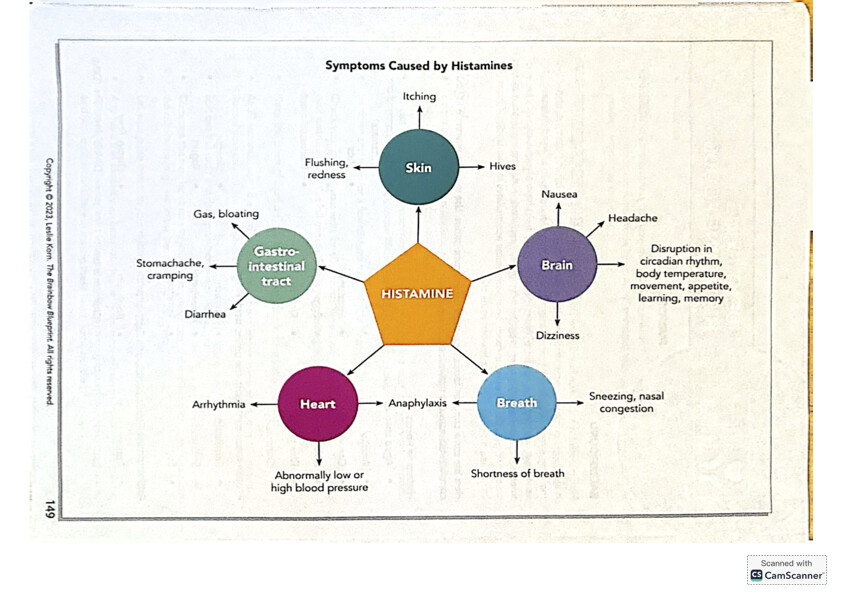
One reason histamine issues are frequently missed is that the symptoms can appear completely unrelated. Someone may experience anxiety, insomnia, headaches, digestive issues, skin reactions, dizziness, fatigue, flushing, sinus symptoms, food sensitivities, sensitivites to supplements and medications, and heart palpitations.
These varied symptoms send them to several different specialists, yet they may all stem from the same underlying process.
If you've been told that your symptoms are unrelated, or you've been left wondering why so many different body systems seem affected at the same time, histamine may be one piece of the puzzle.
Can Histamine Contribute to Depression?
It's certainly possible. While anxiety tends to get more attention, many people also report significant mood changes when histamine levels are elevated. For me, high histamine created both unexplained anxiety and emotional shifts. I would become unusually tearful, negative, discouraged, and hopeless. Everything felt harder, I got overstimulated by light and sound very easily, and small stressors felt overwhelming. As histamine levels improved, my mood improved alongside them.
Researchers are continuing to explore the relationship between immune system activation, inflammation, neurotransmitters, and mental health. What we do know is that the brain and immune system are in constant communication. So when one system is struggling, the other often feels the effects.
I've also heard the stories of individuals who spent years receiving mental health diagnoses that never fully explained their symptoms because underlying histamine issues were never considered.
Where Therapy Fits In
Even when histamine is a major factor, the nervous system still matters. A lot. Stress and nervous system dysregulation can contribute to mast cell activation and histamine release. When the body spends long periods in survival mode, symptoms often become more difficult to manage. That's one reason I believe therapy is an important part of recovery. My approach combines traditional therapy with mind-body approaches that help regulate the nervous system and create a greater sense of safety within the body.
This may include somatic strategies, nervous system education, trauma-informed care, increasing our capacity to experience discomfort, and helping clients understand the connection between physical symptoms and emotional wellbeing.
At the same time, therapy alone can't correct a physiological histamine imbalance. That's why I regularly collaborate with functional medicine providers and other healthcare professionals within my trusted referral network. When appropriate, I help clients connect with practitioners who can investigate potential contributors such as mold exposure, gut dysfunction, nutrient deficiencies, chronic infections, and other underlying health concerns.
I believe people deserve both.
Final Thoughts
If you've been struggling with anxiety that feels intensely physical, panic that seems to come out of nowhere, chronic insomnia, brain fog, or a collection of symptoms that don't appear connected, histamine may be worth exploring. Mental health symptoms don't always originate solely from thoughts, beliefs, or life circumstances; Sometimes the body is asking for attention too.
Understanding that connection can be the beginning of finding answers, receiving appropriate support, and finally making sense of symptoms that never quite fit the usual explanations.
If you live in Ohio and are interested in therapy with me, please feel free to click the "book now" button at the top of your page, or use the contact form on the "Contact" page of my website. I'd be honored to work alongside you!
A quick note: While I frequently work with clients who are navigating chronic health concerns, histamine intolerance, and suspected MCAS, my role is to support the mental health and nervous system side of these experiences. I do not diagnose or treat medical conditions. When appropriate, I collaborate with and refer to qualified healthcare providers who can assess and address the underlying physiological factors contributing to symptoms. The information shared here is intended to support greater understanding of the connection between physical health, nervous system functioning, and mental wellbeing. This information does not replace the guidance of a qualified healthcare provider.